ADD A REVIEW
Your email address will not be published. Required fields are marked *

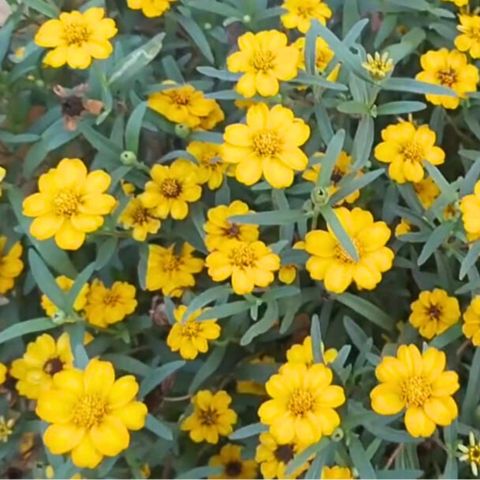
Sweet Williams (Dianthus barbatus) are a popular flowering plant that belongs to the carnation family (Caryophyllaceae). They are native to Europe and are widely cultivated for their attractive, colorful flowers and pleasant fragrance. Sweet Williams are herbaceous perennials, meaning they typically live for several years and flower annually.
Here are some key features and characteristics of Sweet Williams:
Appearance: Sweet Williams produce clusters of small, densely packed flowers on upright stems. The flowers come in a variety of vibrant colors, including shades of red, pink, purple, and white. They have a distinctive, fringed edge and a sweet fragrance.
Growth and Size: These plants typically grow to a height of 1 to 2 feet (30 to 60 cm) and spread about 1 foot (30 cm) wide. The stems are sturdy and erect, and the foliage is slender and lance-shaped.
Blooming Season: Sweet Williams usually bloom from late spring to early summer. The flowering period can vary depending on the climate and growing conditions.
Growing Conditions: They prefer well-draining soil that is moderately fertile. Sweet Williams thrive in full sun or partial shade. They can tolerate a range of temperatures but generally prefer cooler conditions. They are suitable for USDA hardiness zones 3 to 9.
Care and Maintenance: Sweet Williams are relatively low-maintenance plants. Regular watering, especially during dry spells, is essential to keep the soil evenly moist. Deadheading (removing spent flowers) can encourage continuous blooming. Mulching around the base of the plant helps retain moisture and suppress weed growth. In colder regions, applying a layer of mulch in late fall can help protect the plant from harsh winter conditions.
Uses: Sweet Williams are commonly grown in flower beds, borders, or containers, adding color and fragrance to gardens. They also make excellent cut flowers and are often used in floral arrangements.
Propagation: They can be propagated from seeds or through division. Sow the seeds indoors in early spring or directly in the garden after the last frost. Division is typically done in early spring or late summer by carefully separating the clumps and replanting them.
As with any plant, it's always a good idea to check with local gardening resources or nurseries for specific recommendations tailored to your region and climate.
Your email address will not be published. Required fields are marked *